
Google Algorithm Updates – A Timeline Review
There are approximately 150,000,000 websites active on the internet, so finding the most relevant information that you’re looking for would be very difficult without Google’s algorithm.
Algorithms are used by search engines such as Google to rank websites in the search engines. This means that when you search for a keyword in Google, the Google algorithm searches websites which mention your keyword or are more relevant to the keyword that you have written. After that, it assigns all the pages rank according to several factors, including how many times the keywords appears on the page. The pages which score highly appear towards the top in the Search Engine Pages Results (SERPs), meaning that the pages which relate best to the users’ search query appears first in the list (as you would expect). These algorithms are used to make your searching experience more easy and reliable. To stay ahead of spammers and other people who will try to exploit Google’s algorithm, the Google algorithm updates time to time. Some of the updates of algorithms are given below:
- Google Hummingbird Update
- Google Panda Update
- Google Penguin Update
- Google Pigeon Update
- Google Payday Update
- Google Pirate Update
- Google Top Heavy Update
Google Hummingbird:
Google Hummingbird is an update of Google that Google is using as of September 2013. The name ‘Hummingbird’ was given to this update because it is as “fast and precise” as a Hummingbird. Hummingbird is designed to focus on a whole query or meaning of a complete word instead of some particular words. The basic goal of it is that the pages match the whole meaning of the query rather than the meaning of few words within the sentence.
Google Panda Update:
Google’s Panda update was introduced in February 2011. It works as a filter and stops all the sites which contain poor quality content from making their way to the top of the results in Google. It is updated time-to-time and when they update it, all the sites with poor content may escape if they have made the right changes.
Google Penguin Update:
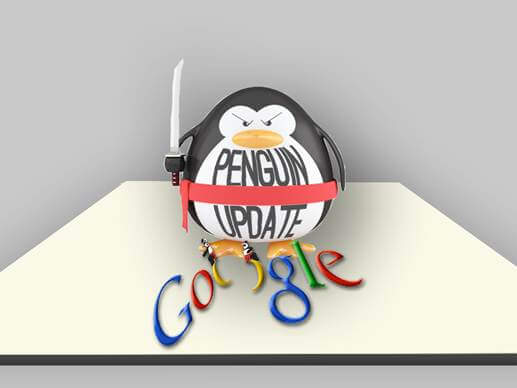
Google Penguin update was established in April 2012 by Google to improve the catch site that they think to be spamming the search result. It is designed to boost Google ranking.
Google Pigeon Update:
The Pigeon update is the latest update of Google’s algorithm. It was launched on July 24, 2014. Released for U.S English, this latest algorithm aims to provide more accurate, relevant and useful search results, working with the traditional search engine ranking signals. Google says that this algorithm will also help to improve their location-based ranking parameters.
Google Payday Update:
This update was released on June 11, 2013. The goal of this update was to clean-up search results for “spammy queries”. These spammy queries included pornographic, payday loan related (hence the name) and other general spammy queries.
Google Pirate Update:
Google’s Pirate update was introduced in August 2012, and was designed to avoid websites which have copyright issues reported through Google’s DMCA system. When this filter is updated, the sites which are previously impacted may escape.
Google Top Heavy Update:
Google’s ‘Top Heavy’ update was implemented back in January 2012. It was designed to avoid websites which have many adverts above the fold from being able to rank well in search results. When this update happens, sites which have removed unnecessary ads from their site can regain their previous position and sites which are new and also heavy can be removed.
SUBMIT FOR Online Marketing Analysis
Get an Online Marketing Analysis For Your Business
NAVIGATION
CONTACT US
CORPORATE OFFICE
SCHAUMBURG LOCATION
COMMUNITY